 Bumi Abi
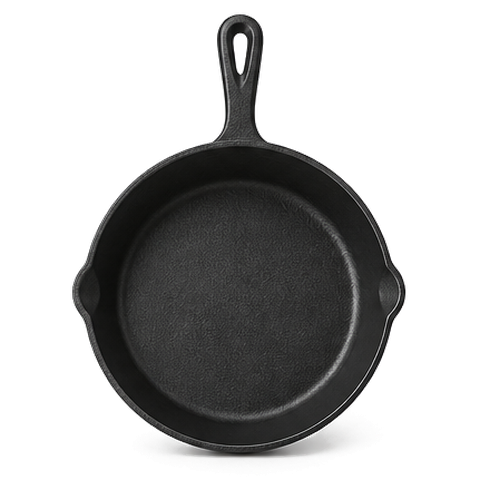
Why cast iron needs special care
When heated with oil, cast iron builds up a layer on its surface, often called seasoning. This layer makes the pan naturally non-stick and protects the iron from rust. Proper care keeps that layer intact.
Cleaning after cooking
Many people worry that washing will damage the seasoning. In reality, harsh soap and long soaking are the bigger risks.
- Rinse with warm water while the pan is still slightly warm.
- Use a soft brush or sponge. For stuck-on food, simmer a little water in the pan, then scrape gently.
- Avoid harsh soap and never soak the pan.
- Dry over low heat for a few minutes until completely dry.
Oiling the surface
Once dry, rub a very thin layer of oil over the whole surface, including the outside. Wipe off any excess until it no longer feels oily. A thin layer works better than a thick one, which can turn sticky.
- Use a heat-tolerant oil such as refined coconut or canola oil.
- Store in a dry place and let air circulate.
Note: Specifications and prices can change. Always check the product page on Amazon before you buy.
Product picks
Here are a few options to consider, compared by the needs that come up most often.
| Step | Do | Avoid |
|---|---|---|
| Washing | Warm water and a soft brush | Harsh soap and soaking |
| Drying | Low heat for a few minutes | Leaving it wet |
| Oiling | A thin layer, wiped dry | A thick layer of oil |
26 cm cast iron pan
A versatile size for sautéing and pan-searing. Check that the cooking surface is smooth.
- Handles high heat well
- Works on stovetop and in the oven
- Heavy
- Needs regular care
Soft brush and sponge set
Cleans without wearing away the seasoning.
- Gentle on the surface
- Replace when worn out
Frequently asked questions
Can I use dish soap?
A small amount of mild soap is fine, but harsh soap used often can strip the seasoning.
Why did my pan rust?
Usually because it was left wet for too long or not dried after washing. Scrub off the rust with fine sandpaper, then re-season the pan.
Loading comments…