 Bumi Abi
How each pan cooks
The main difference is the surface. Nonstick coating releases food easily, which is helpful for delicate foods. Stainless steel creates browning and fond, the flavorful bits that make sauces and pan sauces taste rich, but it needs proper preheating and enough oil.
- Nonstick: eggs, pancakes, fish, and anything that sticks easily.
- Stainless steel: searing meat, building pan sauces, and high-heat cooking.
- Both: everyday sautéing and stir-fries, as long as you manage the heat.
Durability and care
Nonstick coatings wear over time, especially when they are scratched, overheated, or cleaned with abrasive pads. Stainless steel is more durable, but it can discolor and needs a proper cleaning routine to stay bright.
- Use wooden or silicone utensils with nonstick pans.
- Avoid high heat on empty nonstick pans, since it can damage the coating.
- Stainless steel pans can go in the dishwasher, but hand washing keeps them looking better.
- Replace a nonstick pan once the coating starts flaking.
Which one to buy first
If you cook mostly simple breakfasts and quick meals, a nonstick pan will make your life easier. If you cook a wider range of dishes and want a pan that lasts for years, stainless steel is the better long-term investment.
- First pan on a budget: a good quality nonstick pan.
- Long-term investment: a stainless steel pan with an aluminum or copper core for even heating.
- Ideal setup: one of each, sized for your typical meals.
Note: Specifications and prices can change. Always check the product page on Amazon before you buy.
Product picks
Here are a few options to consider, compared by the needs that come up most often.
| Feature | Nonstick | Stainless steel |
|---|---|---|
| Egg release | Very easy | Needs preheating and oil |
| High heat | Limited | Excellent |
| Browning and fond | Limited | Excellent |
| Lifespan | Shorter, coating wears | Long, with proper care |
| Care | Gentle utensils only | Hand wash for best results |
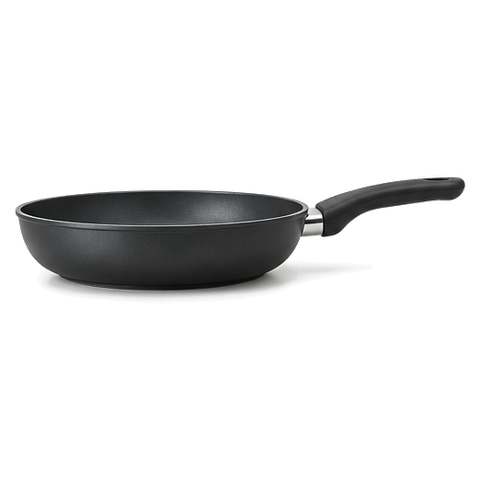
26 cm nonstick frying pan
A useful size for everyday cooking. Check the coating type and whether it is oven safe before buying.
- Easy release for delicate foods
- Light and easy to handle
- Coating wears over time
- Not suited to very high heat
24 cm tri-ply stainless steel pan
Three layers for even heating. Check the handle design and whether the base suits your stove type.
- Durable and high heat safe
- Good for searing and sauces
- Food can stick without proper preheating
- Heavier than nonstick
Frequently asked questions
Can I use metal utensils on nonstick pans?
It's best not to. Metal can scratch the coating. Use wood or silicone utensils to make it last longer.
Why does food stick to my stainless steel pan?
Usually because the pan wasn't preheated or there wasn't enough oil. Heat the pan first, then add the oil and food.
Loading comments…